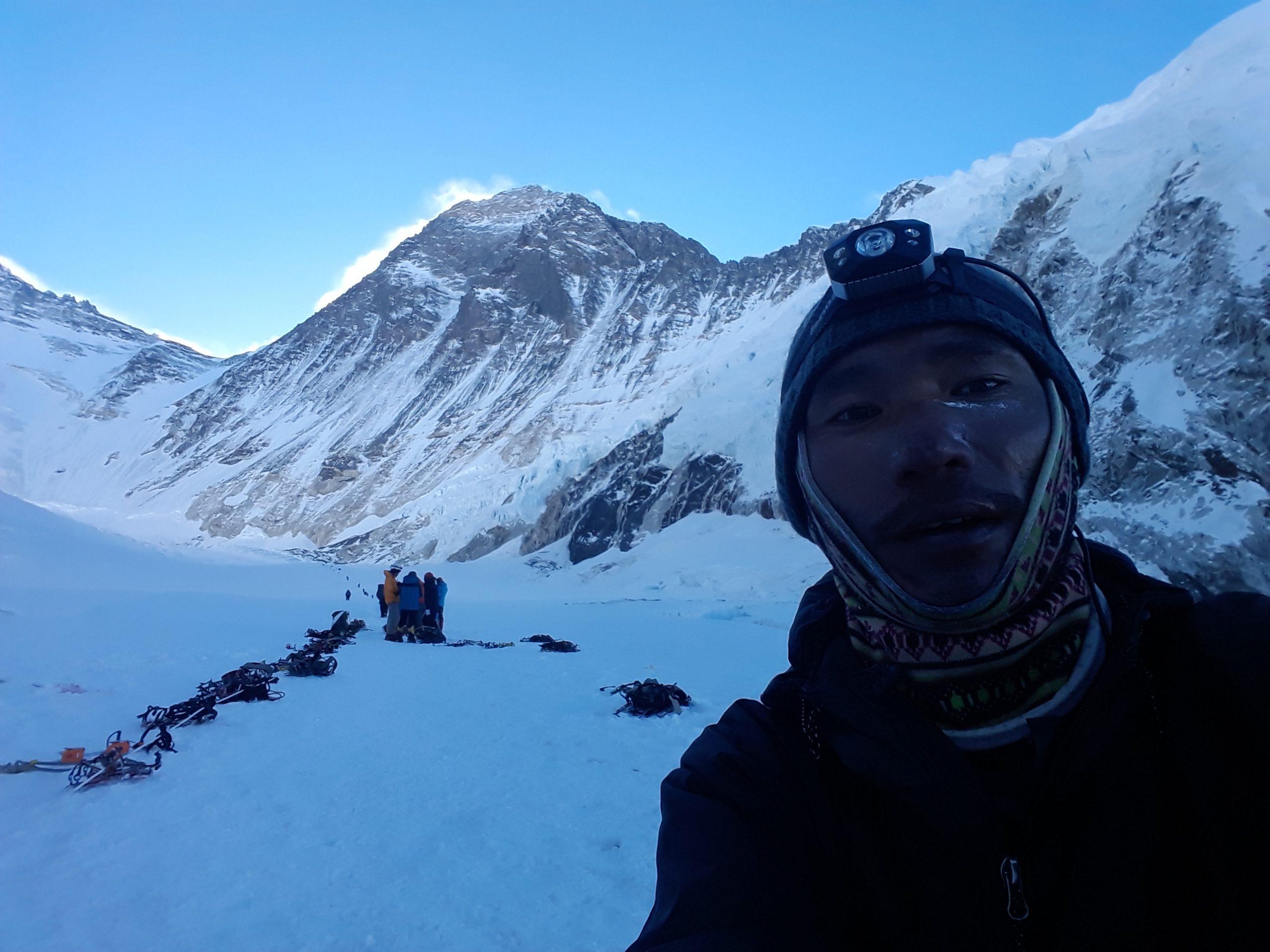
Lhotse: Lhotse is the 4th highest mountain in the world, standing at an elevation of 8,516 meters (27,939 feet). It is located in the Khumbu region of the Himalayas in Nepal, near the border with Tibet, China. Lhotse is famous for its steep, dramatic face and its proximity to Mount Everest, with the two peaks being connected by the South Col. Lhotse is often climbed as a secondary peak by climbers attempting to summit Everest, though its challenging terrain makes it a sought-after ascent in its own right. The mountain’s name, “Lhotse,” is derived from the Tibetan language, meaning “South Peak,” referring to its position relative to Everest.
Lhotse’s impressive features include its towering south face, which is one of the largest mountain faces in the world. The first successful ascent of Lhotse was on May 18, 1956, by a Swiss expedition led by Ernst Reiss and Fritz Luchsinger.
Sagarmatha National Park: Sagarmatha National Park is a UNESCO World Heritage Site located in the Khumbu region of Nepal. It covers an area of 1,148 square kilometers (443 square miles) and includes some of the highest peaks in the world, including Mount Everest (Sagarmatha in Nepali). The park is known for its breathtaking landscapes, rich biodiversity, and unique cultural heritage.
In addition to its dramatic mountain scenery, Sagarmatha National Park is home to a wide range of flora and fauna. It includes forests of pine, fir, and rhododendron, as well as alpine meadows and glaciers. Wildlife in the park includes species such as the snow leopard, Himalayan tahr, musk deer, and red panda, as well as various bird species like the Himalayan griffon vulture.
Sagarmatha National Park is not only a natural wonder but also a cultural one, as it is inhabited by the Sherpa people, whose traditions, monasteries, and villages contribute to the park’s cultural richness.
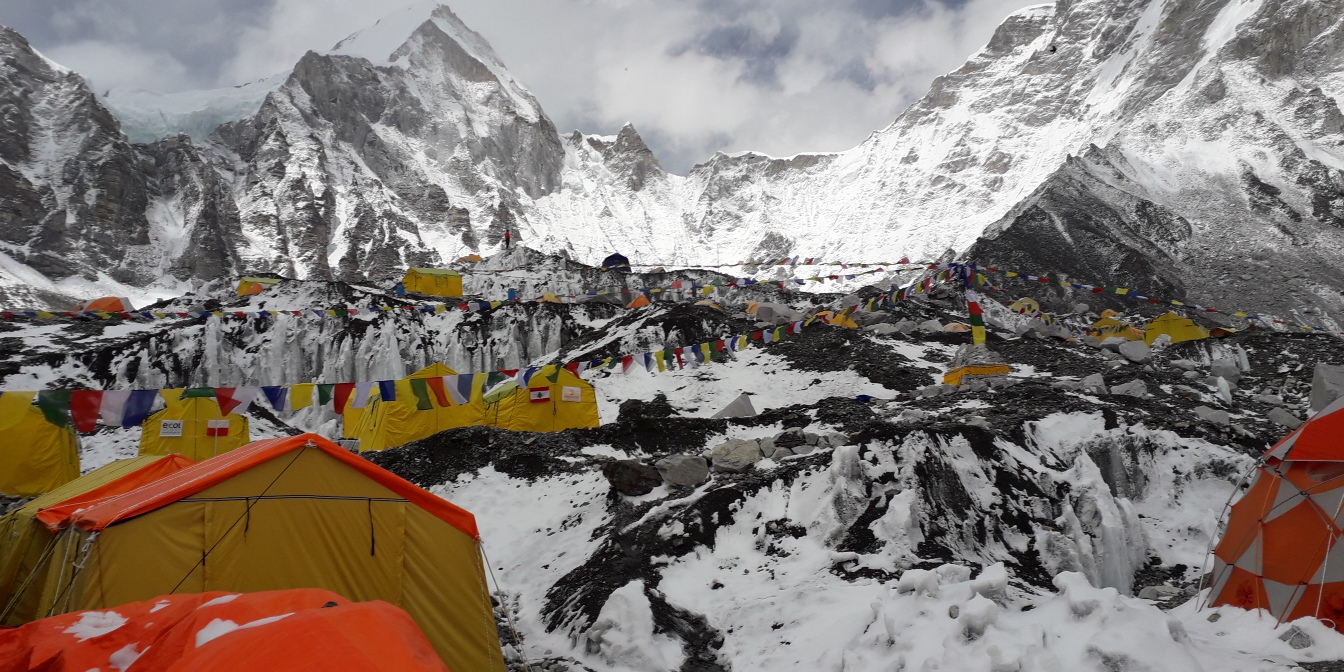
Khumbu Himalaya Range: The Khumbu Himalaya range is a part of the larger Mahalangur mountain range in the central Himalayas. It lies in the northeastern part of Nepal and includes some of the highest peaks in the world, including Mount Everest (8,848 meters), Lhotse (8,516 meters), and Nuptse (7,861 meters). The Khumbu region is a popular trekking and mountaineering destination, especially for those seeking to summit Mount Everest or experience the famous Everest Base Camp Trek.
The Khumbu Himalaya range is characterized by rugged terrain, deep valleys, and steep cliffs. The area is shaped by glaciers and is dotted with high-altitude lakes, such as the Gokyo Lakes. It is also home to the Sherpa people, who have lived in this region for centuries and have developed an intricate knowledge of the mountains. The range is a focal point for both mountaineers and trekkers, and the Everest region has become an iconic destination for adventurers from around the globe.
In terms of mountaineering history, the Khumbu Himalaya range was central to many groundbreaking climbs, including the first successful ascent of Mount Everest in 1953 by Sir Edmund Hillary of New Zealand and Tenzing Norgay of Nepal. The area continues to attract climbers and trekkers, offering both breathtaking natural beauty and a glimpse into the cultural richness of the Sherpa people.
 View Photos
 Video Preview
 +977-9851129532
 info@nativeeverest.com.np


 Day 16

