Baruntse Expedition (7,152 meters)
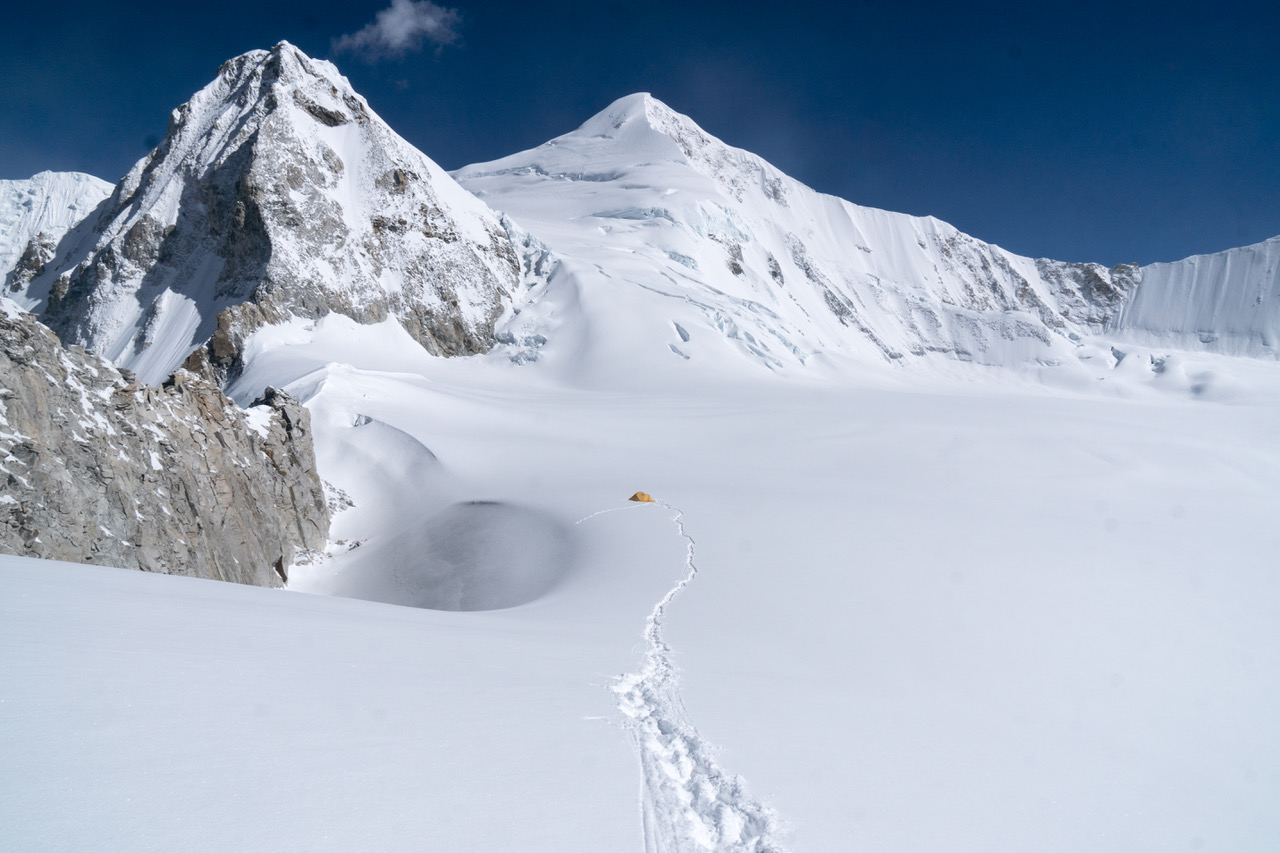
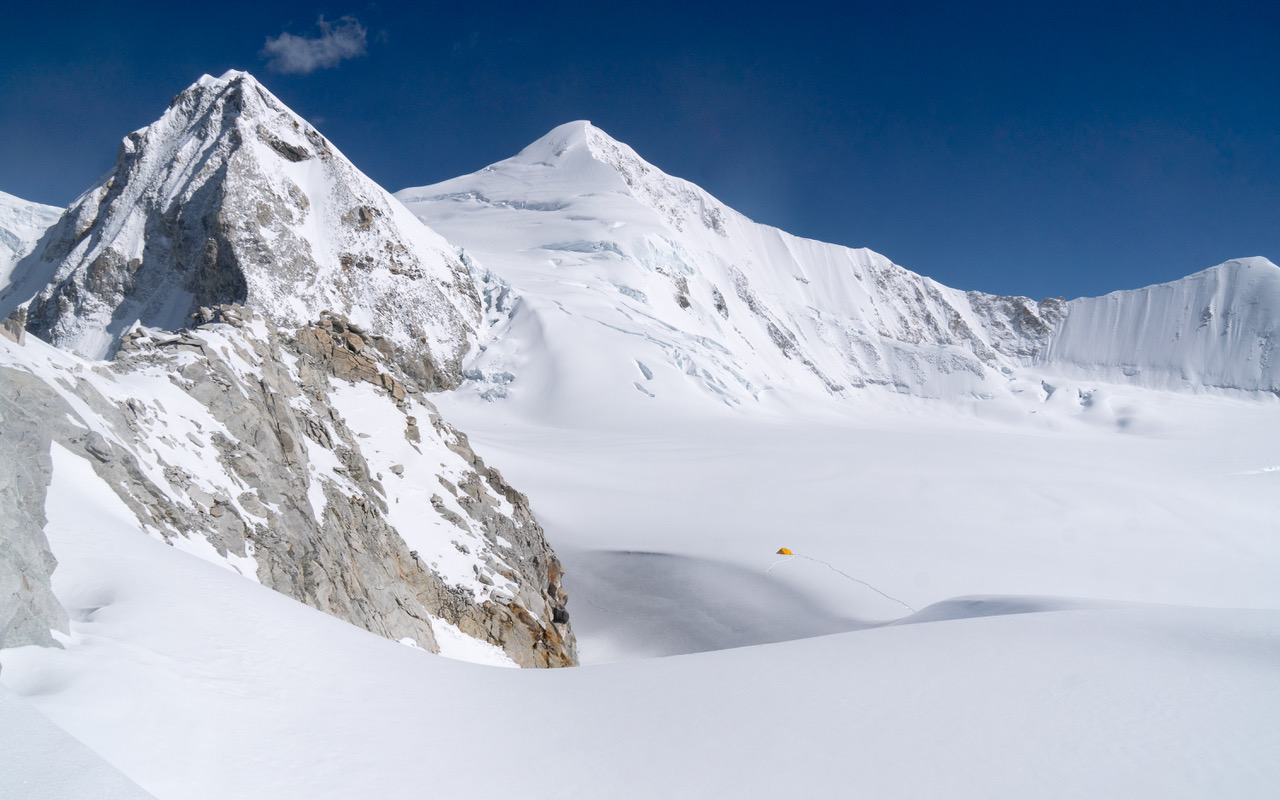
Baruntse is a stunning peak located in the Mahalangur range of the Himalayas, in the eastern part of Nepal, and stands at 7,152 meters (23,467 feet). It is often considered one of the more challenging 7,000-meter peaks due to its steep slopes and technical climbing conditions. Despite being overshadowed by its more famous neighbors like Everest and Makalu, Baruntse is a coveted expedition for mountaineers seeking an unspoiled challenge in Nepal’s rugged terrain.
The Expedition:
The Baruntse expedition typically involves a complex route that demands a high level of technical climbing ability, as well as acclimatization to the thin Himalayan air. The approach to Baruntse generally starts from Lukla, the main entry point to the Everest region. Climbers then trek through the beautiful Hunku Valley before reaching base camp, situated at an altitude of about 5,300 meters.
Climbing Baruntse involves several stages, with many expeditions taking around 4-6 weeks to complete. The summit push is typically made from Camp 3, which is positioned on a ridge at approximately 7,000 meters. The climb is challenging due to the presence of steep, mixed rock and ice, as well as potential crevasse falls and avalanche risks. However, successful ascents of Baruntse provide climbers with panoramic views of some of the highest peaks in the world, including Everest, Lhotse, Makalu, and Cho Oyu.
History:
Baruntse was first summited in 1954 by a Japanese expedition led by Koichiro Iwata. Since then, the peak has witnessed numerous successful climbs, but it remains a less-crowded alternative to some of the more famous peaks like Everest. The mountain’s isolation and technical nature make it a coveted objective for climbers looking for a less commercialized Himalayan adventure.
Hunku Valley: History and Overview
Hunku Valley is a picturesque, remote valley nestled in the eastern region of Nepal, located in the shadow of Mount Makalu and Baruntse. The valley is one of the most pristine and least explored regions of the Khumbu and Solu-Khumbu areas, making it a magnet for trekkers, mountaineers, and adventurers who wish to explore the Nepalese Himalayas away from the crowded routes.
History:
Historically, the Hunku Valley has been part of the traditional trading route between Tibet and Nepal. The valley, with its wild, unspoiled beauty, has also attracted mountaineers, although it has been somewhat overshadowed by the Everest region, which lies to the west. Despite this, it has been a key passage for mountaineering expeditions heading towards Baruntse and other nearby peaks.
The first significant explorations of Hunku Valley began in the 1950s, following the first summits of Makalu and Baruntse. Since then, Hunku Valley has remained largely untouched by mass tourism, retaining a quiet, natural allure. Expeditions to Baruntse, Makalu, and other surrounding peaks often pass through Hunku Valley to access base camps, and the valley is renowned for its stunning views, challenging trekking conditions, and the presence of high-altitude wildlife.
Trekking and Mountaineering in Hunku Valley:
The valley is an essential part of the approach for expeditions climbing Baruntse. Trekkers entering the region often pass through the traditional villages and dense forests, gradually gaining altitude to reach the base camp areas. The Hunku Valley trek offers an immersive experience in the beauty and solitude of Nepal’s higher altitudes, providing trekkers with breathtaking views of towering peaks and glaciers.
Though it is not as famous as the Everest Base Camp trek or the Annapurna Circuit, the Hunku Valley trek is considered a hidden gem for those seeking a more remote and tranquil trekking experience. Its combination of natural beauty, cultural encounters, and the proximity to high-altitude climbs make it an unforgettable destination for both trekkers and mountaineers alike.
Overall, the combination of the Baruntse expedition and the history of Hunku Valley makes for an exciting and challenging adventure, offering climbers and trekkers alike an opportunity to explore some of Nepal’s most rugged and unspoiled terrains. The region’s beauty, combined with its historical significance and climbing potential, continues to attract those in search of a Himalayan challenge.
 View Photos
 Video Preview

 +977-9851129532
 info@nativeeverest.com.np


 Day 29

